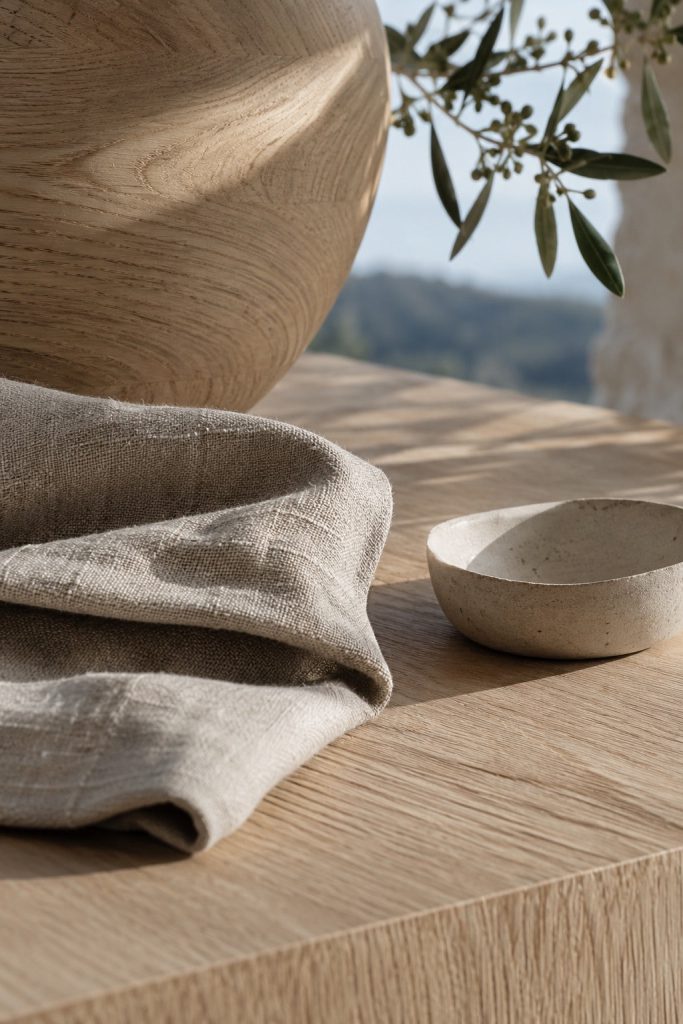
Wood brings variation into a room. Grain, tone and the way light meets a surface can make two apparently similar pieces feel quite different. When choosing oak furniture, look beyond the name of the wood and ask how the particular piece is made and finished.
Look at the whole surface
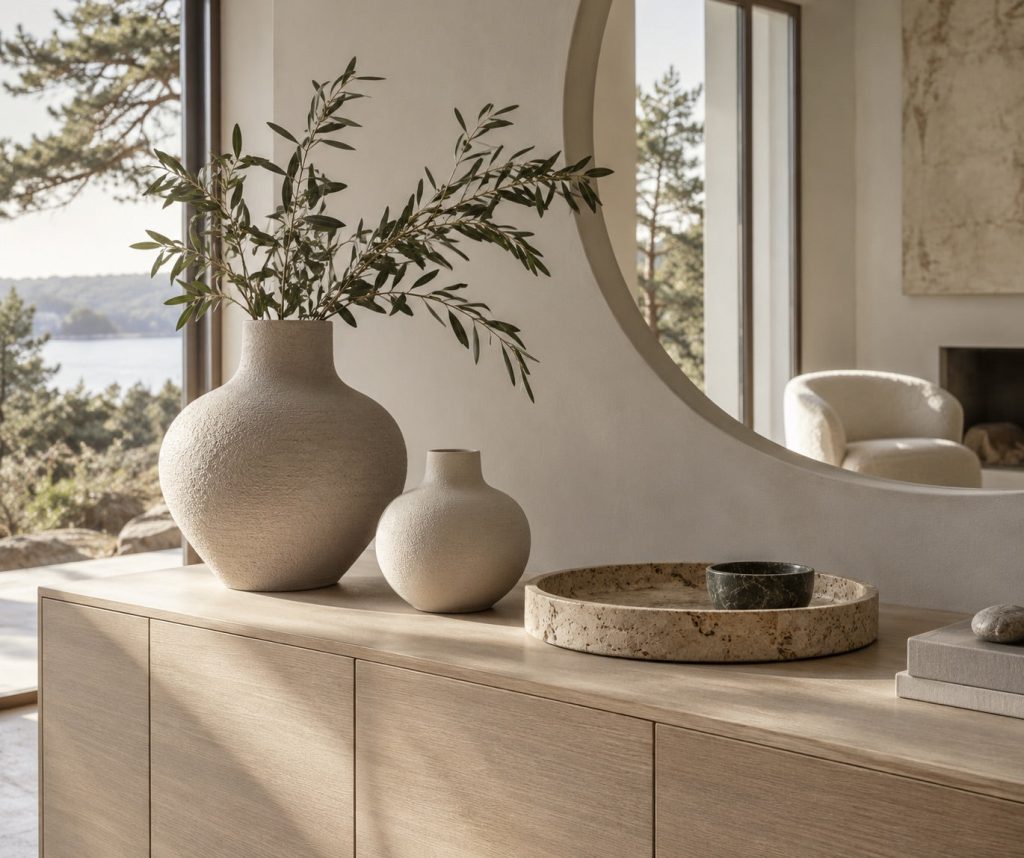
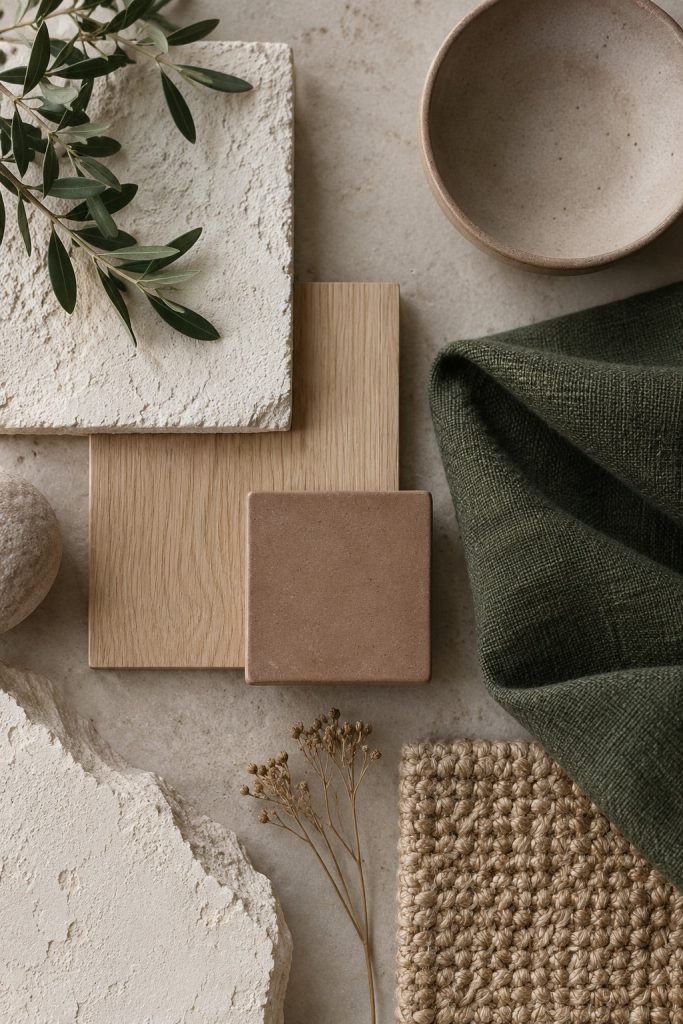
A small sample can help with color, but it cannot show every variation across a larger tabletop or door. View the grain direction, edges and joins when possible. Decide whether you prefer a more uniform appearance or visible variation. Neither preference needs to become a rule for the whole home; the right choice depends on the role of the piece.
Ask about construction and finish
Solid wood, veneer and different finishes need different conversations. Ask the maker or retailer for the construction details and the care instructions for that exact item. Avoid assuming that a pale appearance means an unfinished surface or that all oak can accept the same oil. A clear description is more useful than broad words such as natural or durable.
Pair by tone, not by label
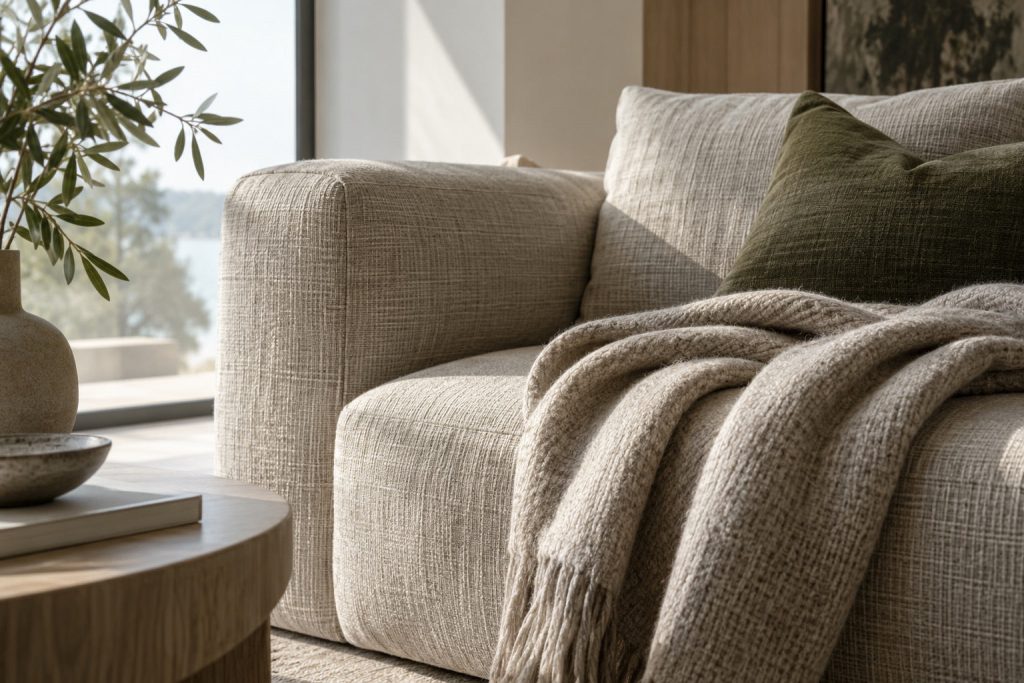
Two oak pieces do not have to be identical to sit comfortably together. Compare undertones and the amount of visual grain, then test them beside the room’s textiles and floor. A quieter fabric can balance an active grain. If you are working from samples, move them around the room through the day before committing to a large piece.
Editorial concept for the Formrest demo. The cover is an AI-generated illustration, not a photograph of a product for sale or a completed client project.